Cat Stress Body Language: Posture & Movement Signs
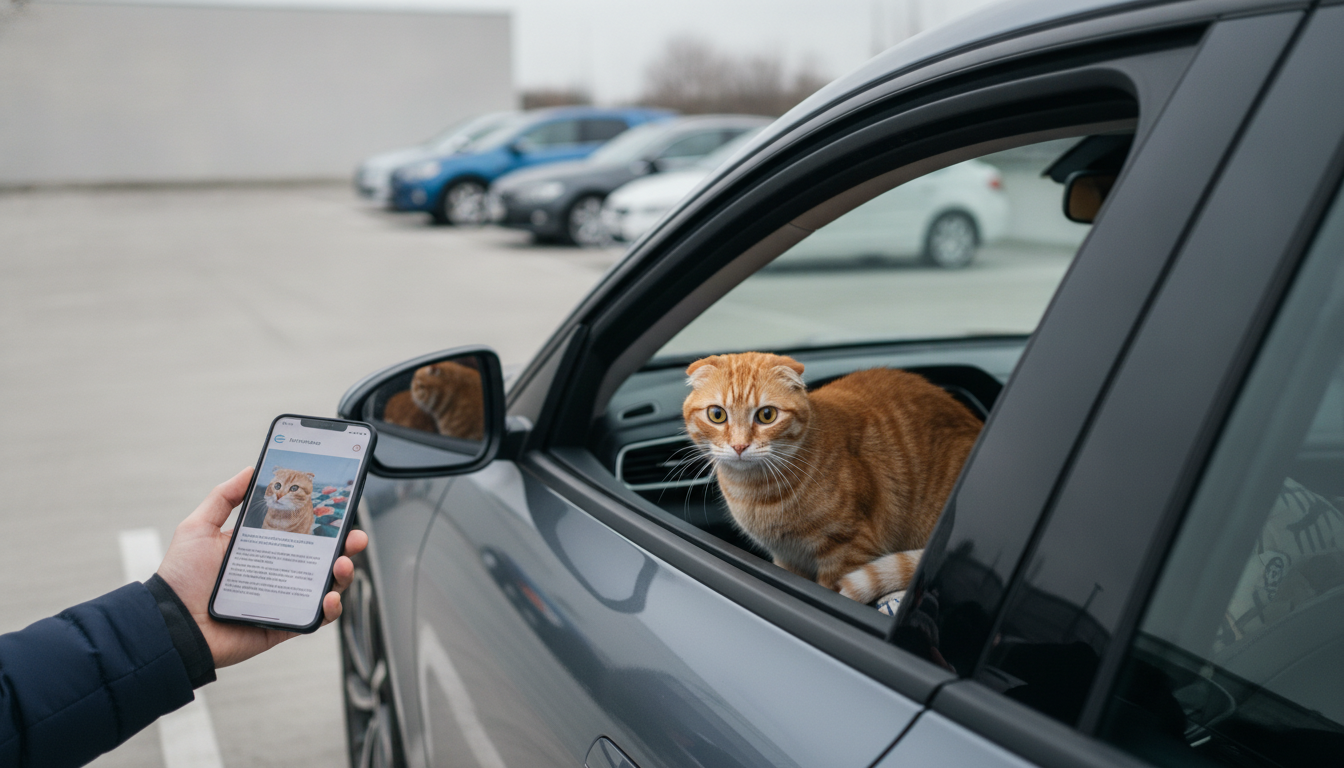
What are the most common signs of feline stress or fear in posture and movement?
Cats often communicate stress or fear more through body language than vocalizing. Watching posture and movement can help spot discomfort early—especially during changes like visitors, travel, loud noises, or a new pet.
Tense, low posture or “crouching”
A stressed cat may lower their body close to the ground, tuck their legs under, and shift weight as if ready to bolt. This “small” posture is common when a cat feels unsafe or uncertain.
Frozen stillness or slow, careful movement
Fear can look like a statue: the cat stops moving, holds their breath, and scans the area. Some cats follow this with exaggerated slow steps, hugging walls or moving from cover to cover.
Arched back, puffed fur, and side-on stance
When stress escalates into defensive fear, a cat may arch their back, raise their fur (piloerection), and turn sideways to look bigger. Movement may become stiff, with quick pivots or short lunges to create distance.
Tail signals: tucked, wrapped, or lashing
A tail tucked tightly under the body or wrapped close can signal anxiety. A tail that flicks sharply or lashes back and forth often indicates rising agitation and a lower tolerance for touch or interaction.
Ears and head position that change how the body moves
Ears pinned back or rotated outward (“airplane ears”) frequently pair with a lowered head and tense shoulders. Cats may retreat, hide, or circle away rather than approach normally.
Avoidance, hiding, and escape-driven pacing
Common movement patterns include darting under furniture, climbing to high spots, backing away, or pacing along doors and windows. Repeated attempts to leave a room can mean the cat is actively seeking an exit route.
For a deeper walkthrough of these stress cues and what they can mean in real-life situations, see the main guide here: What are the most common signs of feline stress or fear in posture and movement?
FAQ
How can I help a stressed cat feel safer at home?
Create predictable routines, provide hiding spots and vertical perches, and give the cat control over contact. Reduce loud stimuli, offer calm play, and consider using pheromone diffusers during stressful changes.











Leave a comment